October 3, 2025
ELH Foundation Hosts Inaugural Leadership Summit: Uniting Nonprofit Leaders and Philanthropic Innovators
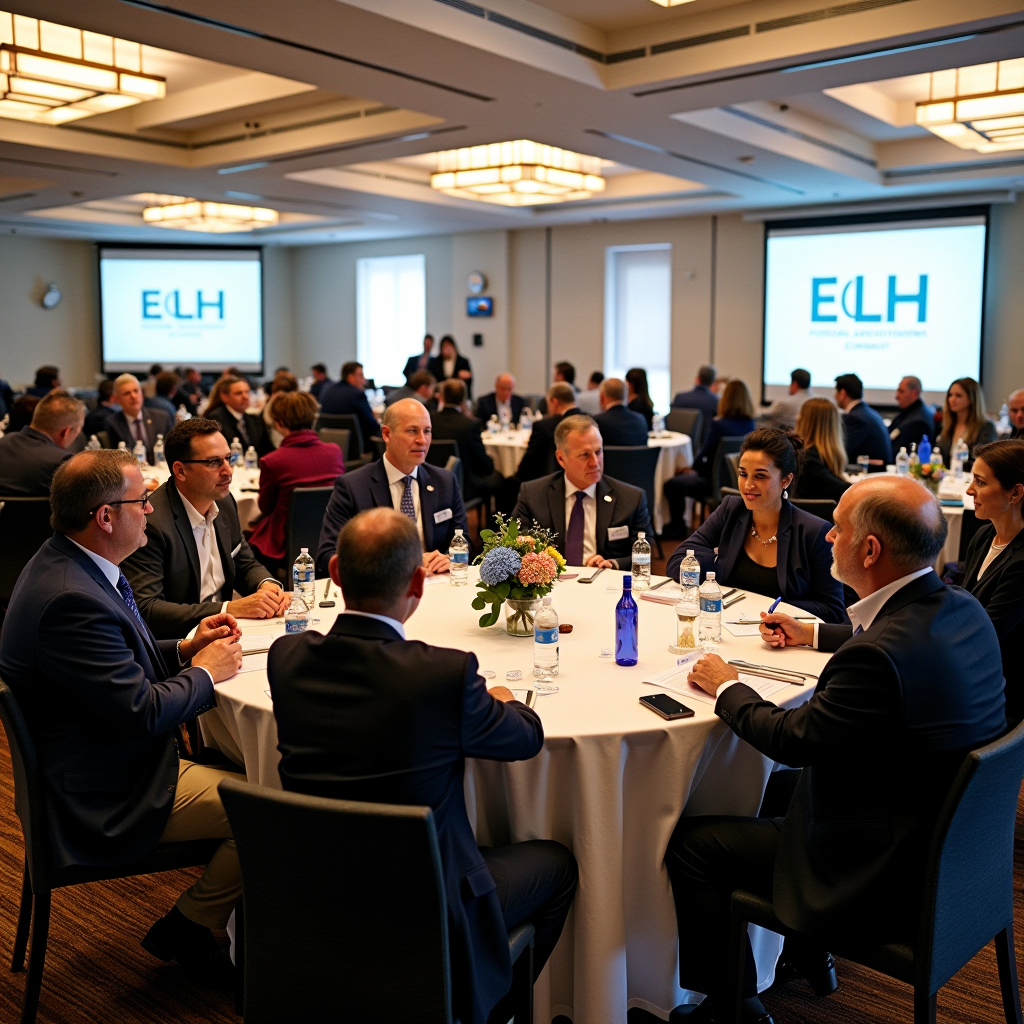
The ELH Foundation marked a significant milestone in its commitment to strengthening the philanthropic sector by hosting its inaugural Leadership Summit, a transformative two-day gathering that brought together 85 nonprofit executives and foundation leaders from across the region. Held at the Foundation's conference center, the summit represented a bold step forward in fostering collaboration, sharing best practices, and building sustainable partnerships between private foundations and community organizations.
The event emerged from months of careful planning and consultation with sector leaders who identified a critical need for deeper dialogue and knowledge exchange within the philanthropic community. As nonprofit organizations navigate increasingly complex challenges and foundations seek more effective ways to create lasting impact, the summit provided a timely platform for meaningful connection and strategic learning.
Mastering Grant Application Excellence
The summit's first major focus area centered on grant application best practices, a topic that resonates deeply with nonprofit leaders seeking to secure funding for their vital missions. Led by experienced grantmakers and successful nonprofit executives, these workshops demystified the grant application process and provided actionable strategies for crafting compelling proposals.
Participants engaged in hands-on sessions that covered every aspect of the application journey, from initial research and relationship building to narrative development and budget preparation. Foundation program officers shared insider perspectives on what makes applications stand out, emphasizing the importance of clear problem statements, evidence-based approaches, and authentic storytelling that connects organizational mission with community need.
One particularly valuable component involved peer review exercises where attendees exchanged draft proposals and provided constructive feedback. This collaborative approach not only improved individual applications but also fostered a spirit of mutual support that extended beyond the summit itself. Many participants noted that understanding the funder's perspective transformed their approach to grantwriting, helping them align their proposals more effectively with foundation priorities while maintaining their organizational authenticity.
The workshops also addressed common pitfalls and misconceptions, such as the tendency to overpromise outcomes or underestimate implementation timelines. Presenters emphasized the value of realistic goal-setting, transparent communication about challenges, and the importance of demonstrating organizational capacity and sustainability beyond the grant period.
Measuring Impact with Precision and Purpose
The second day of the summit delved into the critical topic of impact measurement, recognizing that effective evaluation is essential for demonstrating value, improving programs, and securing continued support. These sessions brought together evaluation experts, data analysts, and practitioners who have successfully implemented robust measurement systems within resource-constrained environments.
Attendees explored various frameworks for defining and tracking outcomes, from logic models and theory of change to more innovative approaches like developmental evaluation and participatory assessment. The workshops emphasized that meaningful impact measurement goes beyond counting outputs to understanding genuine community transformation and long-term systemic change.
Practical demonstrations showcased accessible tools and technologies that enable organizations of all sizes to collect, analyze, and communicate their impact effectively. Presenters shared case studies illustrating how thoughtful evaluation can inform program refinement, strengthen stakeholder engagement, and build compelling narratives for funders and community members alike.
A particularly enlightening panel discussion featured nonprofit leaders who candidly shared their evaluation journeys, including challenges encountered and lessons learned. Their stories underscored the importance of building evaluation capacity gradually, engaging staff and beneficiaries in the process, and using data not just for reporting but for genuine organizational learning and improvement. The conversation also addressed the balance between rigorous measurement and the qualitative, human dimensions of social change that resist easy quantification.
Building Sustainable Partnerships for Lasting Change
Perhaps the most transformative aspect of the summit was its focus on building sustainable partnerships between private foundations and community organizations. These sessions moved beyond traditional funder-grantee dynamics to explore more collaborative, trust-based relationships that recognize nonprofits as essential partners in creating social change.
Foundation leaders shared their evolving approaches to grantmaking, including multi-year funding commitments, general operating support, and capacity-building investments that strengthen organizational infrastructure. They discussed the shift from restrictive, project-specific grants to more flexible funding that empowers nonprofits to respond nimbly to community needs and pursue innovative solutions.
Nonprofit executives contributed their perspectives on what makes partnerships truly sustainable, emphasizing the importance of open communication, shared decision-making, and mutual accountability. They articulated the value of foundations that invest time in understanding community context, respect organizational expertise, and provide support that extends beyond financial resources to include strategic guidance, networking opportunities, and advocacy.
Interactive workshops facilitated relationship-building between foundation representatives and nonprofit leaders, creating space for authentic dialogue about challenges, aspirations, and opportunities for collaboration. These conversations revealed common ground and sparked new partnerships that participants committed to nurturing beyond the summit. The emphasis on trust, transparency, and long-term commitment resonated throughout these sessions, challenging both funders and grantees to reimagine their relationships in ways that better serve communities.
Emerging Trends Shaping Philanthropic Practice
Throughout the summit, thought leaders and practitioners highlighted emerging trends that are reshaping the philanthropic landscape. These insights provided attendees with valuable context for understanding the evolving environment in which they operate and adapting their strategies accordingly.
One significant trend discussed was the growing emphasis on equity and justice in grantmaking, with foundations increasingly examining how their practices either perpetuate or challenge systemic inequities. Presenters explored participatory grantmaking models that center community voice, trust-based philanthropy that reduces burdensome reporting requirements, and efforts to diversify foundation leadership and decision-making processes.
The rise of collaborative funding models also featured prominently in summit discussions. Attendees learned about pooled funds, giving circles, and funder collaboratives that enable foundations to align resources, share due diligence, and achieve greater collective impact. These approaches offer promising pathways for addressing complex social challenges that exceed the capacity of any single organization.
Technology's role in transforming philanthropy received considerable attention, from digital platforms that streamline application and reporting processes to data analytics that enhance decision-making and impact assessment. However, speakers cautioned against technology for its own sake, emphasizing the importance of maintaining human connection and ensuring that digital tools serve rather than complicate the work of creating positive change.
Climate change, demographic shifts, and evolving community needs were identified as critical factors shaping philanthropic priorities. Presenters encouraged both foundations and nonprofits to think adaptively, building organizational resilience and maintaining flexibility to respond to emerging challenges while staying true to core missions and values.
Looking Forward: Sustaining Momentum and Building Community
As the summit concluded, participants expressed overwhelming enthusiasm for the connections made and knowledge gained. The ELH Foundation committed to making this an annual gathering, recognizing the value of creating ongoing opportunities for learning, collaboration, and relationship-building within the philanthropic community.
To sustain momentum between summits, the Foundation announced plans to establish a leadership network that will facilitate continued dialogue through quarterly virtual gatherings, shared resources, and peer learning opportunities. This network will serve as a platform for ongoing collaboration, enabling participants to support one another, share innovations, and collectively advance the field of philanthropy.
Attendees departed with practical tools, expanded networks, and renewed inspiration for their work. Many shared that the summit reinforced their commitment to the nonprofit sector while providing fresh perspectives on how to navigate challenges and maximize impact. The collaborative spirit that characterized the two days offered a powerful reminder that the most significant social change happens when foundations and community organizations work together as true partners, united by shared values and common purpose.
The inaugural ELH Foundation Leadership Summit demonstrated that investing in the capacity and connections of nonprofit leaders and foundation professionals yields dividends far beyond any single grant or program. By creating space for authentic dialogue, shared learning, and relationship-building, the summit contributed to a stronger, more collaborative philanthropic sector better equipped to address the complex challenges facing our communities. As participants return to their organizations and apply their new insights, the ripple effects of this gathering will extend throughout the region, ultimately benefiting the countless individuals and communities served by these dedicated leaders.
The ELH Foundation remains committed to strengthening the philanthropic sector through education, collaboration, and support for nonprofit organizations working to create positive change in communities across the region.