ELH Foundation Launches Major Food Security Initiative Through Strategic Community Partnerships
In a significant expansion of its community outreach efforts, ELH Foundation today announced a comprehensive multi-year partnership with regional food banks and faith-based organizations to combat the growing challenge of food insecurity across underserved communities.
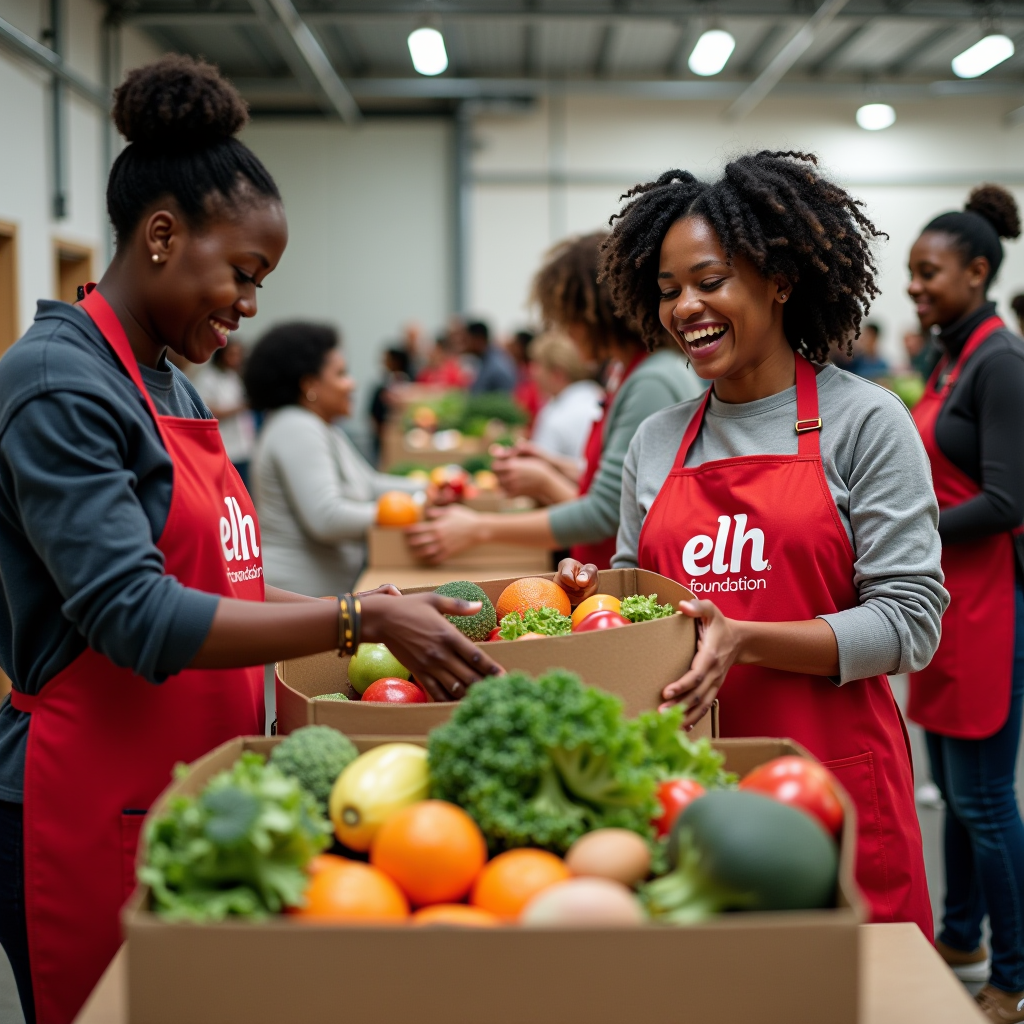
Addressing a Critical Community Need
The initiative comes at a crucial time when food insecurity continues to affect thousands of families throughout the region. Recent studies indicate that one in eight households struggles to maintain consistent access to nutritious food, with the challenge particularly acute among families with children, senior citizens, and individuals facing economic hardship.
Through this strategic collaboration, ELH Foundation is committing substantial resources to create sustainable solutions that extend beyond emergency food assistance. The partnership brings together the expertise and infrastructure of established food banks with the deep community connections of faith-based organizations, creating a comprehensive network designed to reach families where they are.
The Foundation's approach emphasizes dignity and accessibility, ensuring that families can access nutritious food without stigma or unnecessary barriers. By working with trusted community institutions, the initiative aims to reach individuals who might otherwise hesitate to seek assistance, including working families who face unexpected financial challenges and elderly residents with limited mobility.
Five New Distribution Centers and Mobile Services
At the heart of this initiative is the establishment of five strategically located distribution centers across the region. These centers have been carefully selected based on demographic data, transportation access, and proximity to communities with the greatest need. Each facility will serve as both a food distribution hub and a community resource center, offering additional support services and connections to other assistance programs.
The distribution centers will feature modern refrigeration and storage facilities, allowing for the provision of fresh produce, dairy products, and protein sources alongside shelf-stable items. This focus on nutritious, whole foods reflects the Foundation's commitment to not just addressing hunger, but promoting overall health and wellness within the communities served.
Recognizing that transportation remains a significant barrier for many families, the initiative includes a fleet of mobile pantry services. These specially equipped vehicles will bring food directly to neighborhoods, senior housing complexes, and rural areas where access to traditional food banks is limited. The mobile pantries will operate on regular schedules, allowing families to plan around their work and school commitments while ensuring consistent access to essential supplies.
Each mobile unit will be staffed by trained volunteers and equipped with technology to track inventory, register new families, and connect individuals with additional resources. This data-driven approach will help the Foundation and its partners continuously improve services and respond to changing community needs.
Projected Impact: Reaching 12,000 Families
The initiative is designed to serve approximately 12,000 families annually, representing a significant expansion of food security services in the region. This projection is based on careful analysis of current need, capacity of partner organizations, and the Foundation's commitment to sustainable growth over the multi-year partnership period.
Beyond the immediate provision of food, the program aims to create lasting impact through nutrition education, cooking demonstrations, and connections to employment services and financial counseling. By addressing the root causes of food insecurity alongside immediate needs, the initiative seeks to help families achieve long-term stability and self-sufficiency.
The Foundation has established clear metrics to measure success, including not only the number of families served and pounds of food distributed, but also indicators of improved food security, such as reduced emergency room visits for nutrition-related health issues and increased school attendance among children from participating families. Regular assessment and community feedback will guide program adjustments and ensure resources are deployed most effectively.
Comprehensive Volunteer Training Programs
Understanding that volunteers are the backbone of effective food distribution services, ELH Foundation has developed extensive training programs to ensure high-quality, compassionate service delivery. These programs will equip volunteers with skills in food safety, cultural sensitivity, trauma-informed care, and effective communication with individuals facing crisis situations.
The training curriculum includes both online modules and hands-on workshops, allowing volunteers to learn at their own pace while also gaining practical experience. Topics covered range from proper food handling and storage to understanding the complex factors that contribute to food insecurity, including systemic poverty, healthcare costs, and housing instability.
Special emphasis is placed on creating welcoming, respectful environments where families feel valued and supported. Volunteers learn to recognize signs of additional needs and connect individuals with appropriate resources, from healthcare services to job training programs. This holistic approach transforms food distribution sites into true community hubs where families can access multiple forms of support.
The Foundation is actively recruiting volunteers from diverse backgrounds, recognizing that effective service requires teams that reflect the communities they serve. Multilingual volunteers, individuals with lived experience of food insecurity, and professionals from various fields all bring valuable perspectives that enhance program quality and cultural competence.
Community Garden Development Initiative
A distinctive component of this partnership is the development of community gardens at each distribution center location. These gardens serve multiple purposes: providing fresh, locally grown produce for distribution; creating opportunities for community members to learn gardening skills; and fostering connections among neighbors while beautifying local spaces.
The gardens will be designed with accessibility in mind, featuring raised beds for individuals with mobility challenges and clear pathways for wheelchair users. Educational programming will teach participants about sustainable growing practices, seasonal planting, and food preservation techniques, empowering families to grow their own food at home when possible.
Beyond the practical benefits, community gardens create spaces for social connection and mental health support. Research consistently shows that gardening activities reduce stress, provide gentle physical exercise, and foster a sense of accomplishment and purpose. For families facing food insecurity, these gardens offer not just nutrition, but also dignity, agency, and hope.
The Foundation has partnered with local agricultural extension services and master gardener programs to provide expert guidance and ensure the gardens' success. Youth programs will engage children and teenagers in garden maintenance and harvest activities, teaching valuable life skills while connecting young people with nature and healthy food sources.
Building Sustainable Community Partnerships
The success of this initiative depends on strong, collaborative relationships among all partners. ELH Foundation has brought together regional food banks with decades of experience in food distribution logistics, faith-based organizations with deep community trust and volunteer networks, and local government agencies that can help navigate regulatory requirements and identify additional resources.
Regular coordination meetings ensure all partners remain aligned on goals, share best practices, and address challenges collaboratively. The Foundation has established clear communication channels and decision-making processes that respect each organization's expertise while maintaining focus on the shared mission of eliminating food insecurity.
Financial sustainability is built into the program design through diversified funding sources, including the Foundation's multi-year commitment, grants from other philanthropic organizations, corporate partnerships, and individual donations. This approach ensures the initiative can weather economic fluctuations and continue serving families regardless of short-term funding challenges.
The partnership model also creates opportunities for innovation and continuous improvement. By bringing together diverse perspectives and expertise, the collaborative can test new approaches, learn from both successes and setbacks, and adapt strategies based on real-world results and community feedback.
"This initiative represents our commitment to addressing not just the symptoms of food insecurity, but its underlying causes. By combining immediate assistance with long-term capacity building, we're investing in the resilience and strength of our communities. Every family deserves access to nutritious food, and through these partnerships, we're making that vision a reality."
As the initiative launches, ELH Foundation invites community members to participate in multiple ways: volunteering at distribution centers or mobile pantries, contributing to community gardens, making financial donations, or simply spreading awareness about available services. The Foundation emphasizes that addressing food insecurity requires collective action, and every contribution, regardless of size, makes a meaningful difference in the lives of families facing hunger.
The multi-year commitment ensures that this is not a temporary response, but a sustained investment in community wellbeing. As the program grows and evolves, the Foundation and its partners will continue listening to community voices, measuring impact, and refining approaches to ensure maximum effectiveness in the fight against food insecurity.
Through strategic collaboration, comprehensive services, and unwavering commitment to dignity and respect, this initiative represents a significant step forward in creating communities where no family goes hungry and everyone has the opportunity to thrive.