Published on December 18, 2025
ELH Foundation Releases 2025 Annual Report: $8.3 Million Distributed to 47 Organizations
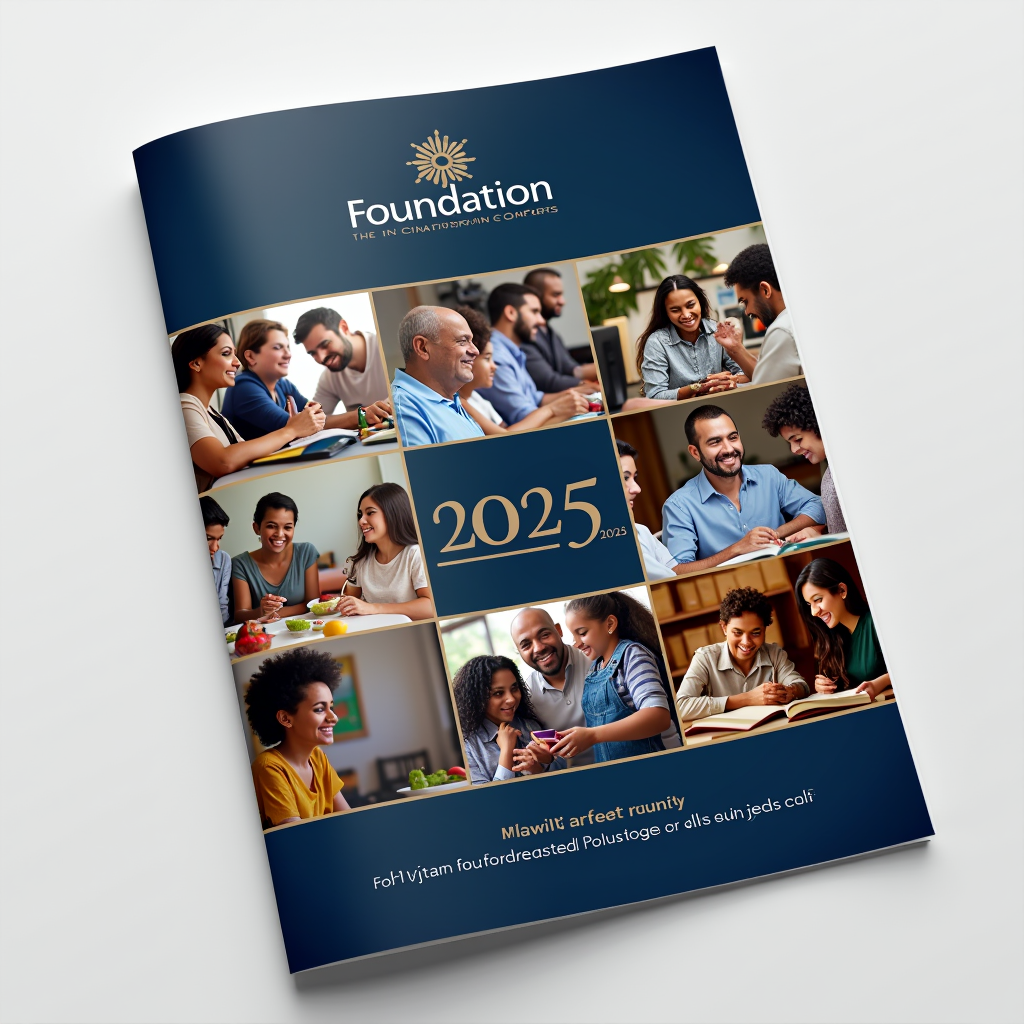
The ELH Foundation today announced the release of its comprehensive 2025 annual report, revealing significant philanthropic impact through strategic grantmaking and community partnerships. The report details the distribution of $8.3 million across 47 organizations, demonstrating the foundation's unwavering commitment to sustainable community change through religious institutions, community development projects, and social service programs.
Record-Breaking Year of Philanthropic Impact
The 2025 fiscal year marks a milestone achievement for the ELH Foundation, with total grant distributions reaching $8.3 million—a 23% increase from the previous year. This substantial growth reflects the foundation's strategic expansion of its grantmaking portfolio and deepened commitment to addressing critical community needs through targeted philanthropic interventions.
The annual report provides unprecedented transparency into the foundation's operations, offering detailed breakdowns of funding allocations, impact metrics, and beneficiary outcomes. Through rigorous evaluation methodologies and comprehensive data collection, the foundation has documented tangible improvements in community well-being across all program areas, validating its approach to sustainable, community-centered philanthropy.
Among the 47 organizations receiving support, the foundation maintained its focus on three core pillars: religious institutions that serve as community anchors, community development initiatives that address systemic challenges, and social service programs that provide direct assistance to vulnerable populations. This balanced approach ensures both immediate relief and long-term structural change within the communities served.
The report highlights that 62% of funded organizations are grassroots entities with annual budgets under $500,000, demonstrating the foundation's commitment to supporting smaller organizations that often have the deepest community connections but face the greatest resource constraints. This strategic focus on capacity building has enabled numerous organizations to expand their reach and enhance their programmatic effectiveness.
Funding Allocation Across Core Program Areas
The foundation's grantmaking strategy reflects a carefully calibrated distribution across its three primary focus areas. Religious institutions received $3.4 million in support, representing 41% of total distributions. These funds supported 19 faith-based organizations in their efforts to provide spiritual guidance, community gathering spaces, educational programming, and social services to their congregations and surrounding neighborhoods.
Community development projects garnered $2.9 million in funding, accounting for 35% of the foundation's grantmaking portfolio. These investments supported 16 organizations working on affordable housing initiatives, economic development programs, youth mentorship, educational access, and neighborhood revitalization efforts. The foundation's approach emphasizes multi-year commitments that allow organizations to plan strategically and achieve sustainable outcomes rather than short-term fixes.
Social service programs received $2.0 million, representing 24% of total distributions. These grants supported 12 organizations providing essential services including food security programs, healthcare access, mental health support, addiction recovery services, and emergency assistance. The foundation prioritized organizations demonstrating innovative approaches to service delivery and strong track records of client outcomes.
Beyond direct program support, the foundation allocated significant resources to capacity building and organizational development. Technical assistance grants, leadership development opportunities, and operational support helped partner organizations strengthen their infrastructure, improve financial management, enhance evaluation capabilities, and build sustainable funding models. This holistic approach to grantmaking recognizes that organizational health is fundamental to programmatic success.
Measurable Impact and Community Outcomes
The annual report presents compelling evidence of the foundation's impact through comprehensive metrics and evaluation data. Across all funded programs, more than 127,000 individuals received direct services or participated in foundation-supported activities during the 2025 fiscal year. This represents a 34% increase in reach compared to the previous year, demonstrating both the scaling of existing programs and the addition of new initiatives.
In the realm of religious institutions, foundation support enabled the expansion of community outreach programs that served 48,000 individuals through food pantries, clothing distribution, counseling services, and educational programs. Fifteen congregations completed facility improvements that enhanced accessibility and program capacity, while eight organizations launched new initiatives addressing emerging community needs such as digital literacy and financial education.
Community development initiatives demonstrated particularly strong outcomes in youth programming and economic opportunity. Foundation-supported youth mentorship programs engaged 3,200 young people, with 89% showing improved academic performance and 76% reporting increased confidence in their future prospects. Workforce development programs helped 1,450 individuals gain employment, with an average wage increase of 42% compared to their previous positions.
Social service programs achieved significant milestones in addressing immediate needs while connecting individuals to long-term support systems. Food security initiatives distributed 2.3 million meals to families experiencing food insecurity, while healthcare access programs provided medical services to 8,700 uninsured or underinsured individuals. Mental health and addiction recovery programs served 2,100 clients, with 68% successfully completing treatment programs and maintaining stability six months post-treatment.
Voices from the Community: Beneficiary Testimonials
The annual report features powerful testimonials from individuals and families whose lives have been transformed through foundation-supported programs. These personal narratives provide qualitative depth to the quantitative metrics, illustrating the human impact of philanthropic investment and the ripple effects of strategic grantmaking.
"The ELH Foundation's support of our congregation's community center renovation has been transformative. We can now serve 200 families weekly through our food pantry, host educational programs for children and adults, and provide a safe gathering space for our neighborhood. This investment didn't just improve our building—it strengthened the entire community's foundation."
— Reverend Michael Thompson, Community Faith Center
Youth program participants shared stories of personal growth and expanded opportunities. Maria Rodriguez, a high school senior who participated in a foundation-supported mentorship program, described how the experience changed her trajectory: "Before joining the program, I didn't think college was possible for someone like me. My mentor helped me navigate the application process, find scholarships, and believe in my potential. I'm now enrolled in a four-year university studying engineering—something I never imagined for myself."
"After losing my job during the pandemic, I felt hopeless about my family's future. The workforce development program supported by the ELH Foundation provided training in healthcare technology, job placement assistance, and ongoing mentorship. I now have a stable career with benefits, and my children see that hard work and perseverance pay off. This foundation gave us more than financial support—they gave us hope."
— James Patterson, Workforce Development Program Graduate
Organization leaders also emphasized the foundation's partnership approach and commitment to long-term relationships. Sarah Chen, Executive Director of a community development organization, noted: "What sets the ELH Foundation apart is their understanding that sustainable change takes time and requires flexible, responsive support. They don't just fund programs—they invest in organizations and communities, providing the resources and trust we need to innovate and adapt to evolving needs."
Strategic Initiatives and Innovation in Grantmaking
The 2025 annual report highlights several strategic initiatives that demonstrate the foundation's commitment to innovation in philanthropy and responsiveness to emerging community needs. The foundation launched a new collaborative funding model that brings together multiple organizations working on interconnected issues, fostering coordination and maximizing collective impact. This approach has proven particularly effective in addressing complex challenges that require multi-faceted solutions.
Recognizing the critical importance of organizational sustainability, the foundation expanded its capacity-building support through a new Leadership Development Fellowship program. This initiative provides emerging nonprofit leaders with professional development opportunities, peer learning networks, and coaching support. The inaugural cohort of 15 fellows represents diverse organizations across the foundation's focus areas, creating a community of practice that extends beyond individual organizational boundaries.
The foundation also piloted a participatory grantmaking process that involves community members in funding decisions. This innovative approach ensures that resources are directed toward initiatives that truly reflect community priorities and lived experiences. Early results indicate higher community engagement, stronger program outcomes, and increased trust between funders and community stakeholders. The foundation plans to expand this model in the coming year based on positive feedback and demonstrated impact.
Technology and digital equity emerged as priority areas in 2025, with the foundation investing in initiatives that bridge the digital divide and enhance organizational technological capacity. Grants supported the acquisition of computer equipment, internet connectivity, digital literacy training, and the development of online service delivery platforms. These investments proved essential in ensuring continued access to services and maintaining community connections in an increasingly digital world.
Looking Forward: 2026 Priorities and Commitments
The annual report concludes with a forward-looking section that outlines the foundation's strategic priorities for 2026 and beyond. Building on the successes and lessons learned from 2025, the foundation commits to deepening its investment in sustainable community change while remaining responsive to emerging needs and opportunities. The foundation projects total grant distributions of $9.2 million for the coming year, representing continued growth in philanthropic impact.
Key priorities for 2026 include expanding support for affordable housing initiatives, increasing investment in youth development programs, strengthening mental health and wellness services, and enhancing support for religious institutions serving as community anchors. The foundation also plans to launch a new initiative focused on environmental sustainability and climate resilience, recognizing the interconnection between environmental health and community well-being.
The foundation reaffirms its commitment to equity, transparency, and partnership in all aspects of its work. This includes ongoing efforts to diversify its grantee portfolio, streamline application processes, provide meaningful technical assistance, and engage in authentic community listening. The foundation recognizes that effective philanthropy requires humility, learning, and willingness to adapt based on community feedback and changing circumstances.
As the ELH Foundation enters its next chapter, the 2025 annual report serves as both a celebration of achievements and a roadmap for continued impact. Through strategic grantmaking, meaningful partnerships, and unwavering commitment to community-driven change, the foundation continues to fulfill its mission of supporting sustainable transformation in the communities it serves. The detailed metrics, compelling testimonials, and transparent reporting contained in this annual report demonstrate the foundation's dedication to accountability and its belief in the power of philanthropy to create lasting positive change.
About ELH Foundation: The ELH Foundation is a private grantmaking foundation dedicated to supporting sustainable community change through strategic philanthropy. With a focus on religious institutions, community development, and social services, the foundation partners with organizations to address critical needs and create lasting positive impact.